
The Lower Primary (Years 1–3)
Early Childhood and Kindergarten
This level includes students in Years 1 to 3 and emphasizes nurturing every aspect of a child’s development — physical growth, thinking ability, emotions, social interaction, and moral understanding. The goal is not only to build solid academic knowledge but also to develop important skills, positive behavior, strong values, and a sense of responsibility, helping learners become independent and committed to learning throughout their lives
Play-based Learning
- Play provides authentic opportunities to develop skills, knowledge and understanding of the world.
- Children need extended, uninterrupted time to explore deeply and revisit important concepts.
- Relevant learning takes place where children are engaged and self-directed
- Play drives our units of inquiry, enabling children to explore concepts and deepen understanding
- Play can be independent, collaborative, social, inclusive, or solitary
- Symbolic expression and self-regulation are developed through play
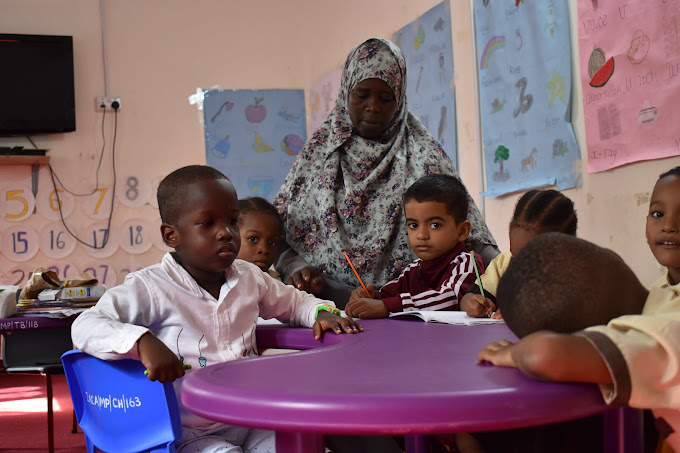
The Role of an Educator
- To be a co-player (co-constructor) in student learning; to actively engage in each child’s learning journey.
- To model and support children in developing and extending their ideas, challenging thinking and constructing meaning
- To continually observe, document and reflect on children’s learning as a means of supporting dialogue and making meaning
- To intentionally create & maintain an emotionally supportive and inviting learning environment in response to children’s ideas and interests
- To provide structures and routines that enable children to safely and confidently work and play together as responsible members of the classroom community
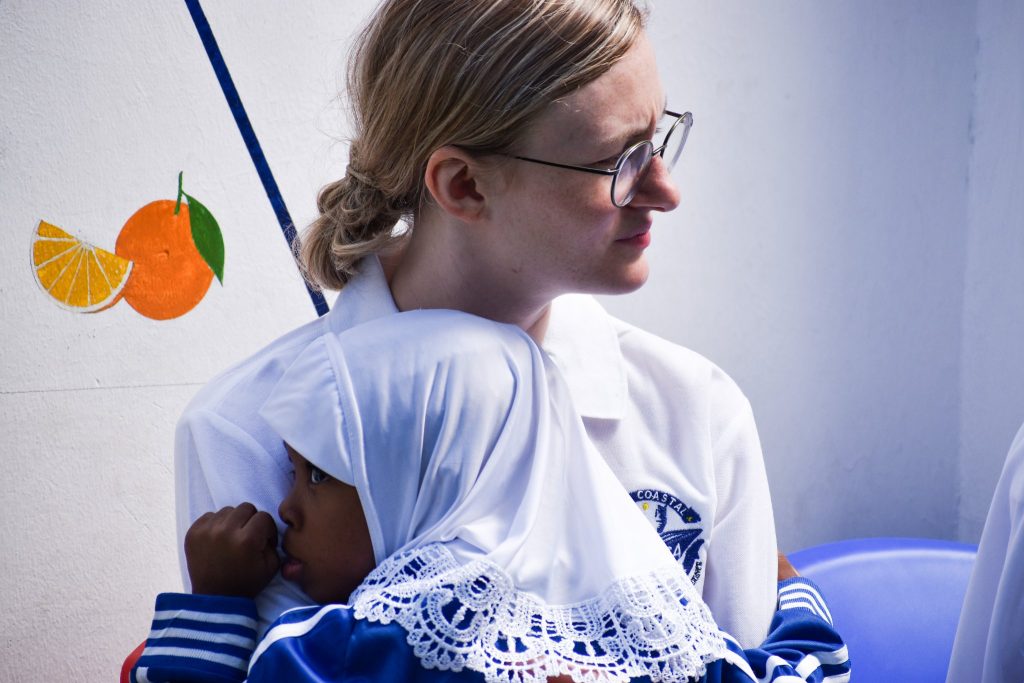
The Learning Environment
- The learning environment is “the third teacher” – resources are selected to stimulate, engage and invite rich experiences of discovery and inquiry
- The learning environment extends beyond the walls of the classroom
- The learning environment fosters a sense of belonging and ownership; it reflects the ideas, values, needs and learning of the group
- The environment is organised to promote self-regulation, independence, choice and social interaction
- The learning environment reflects and celebrates the learning of the classroom community
- Children have an innate need to inquire into the world around them to try to make sense of it and learn about it. This important inquiry takes place in children’s play.
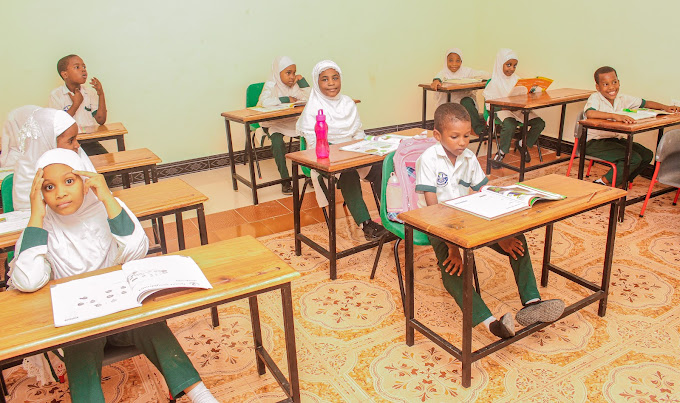
The four domains for learning
- The Early Years Programme consists of four domains of learning which support the development of the whole child. These domains are used to observe, plan for, support and assess early learners’ development: The learning in the early years is brought into focus through the following four lenses.
- Personal, Social and Emotional Development
- Physical Development
- Cognitive Development
- Creative Development
We prioritize personal, social and emotional development; by first nurturing children’s identities, we create a solid foundation for all other learning.To view our learning intentions for our young learners organised by these four domains, see page 28 .Children must be toilet trained before being admitted to our Early Childhood or Kindergarten programme.
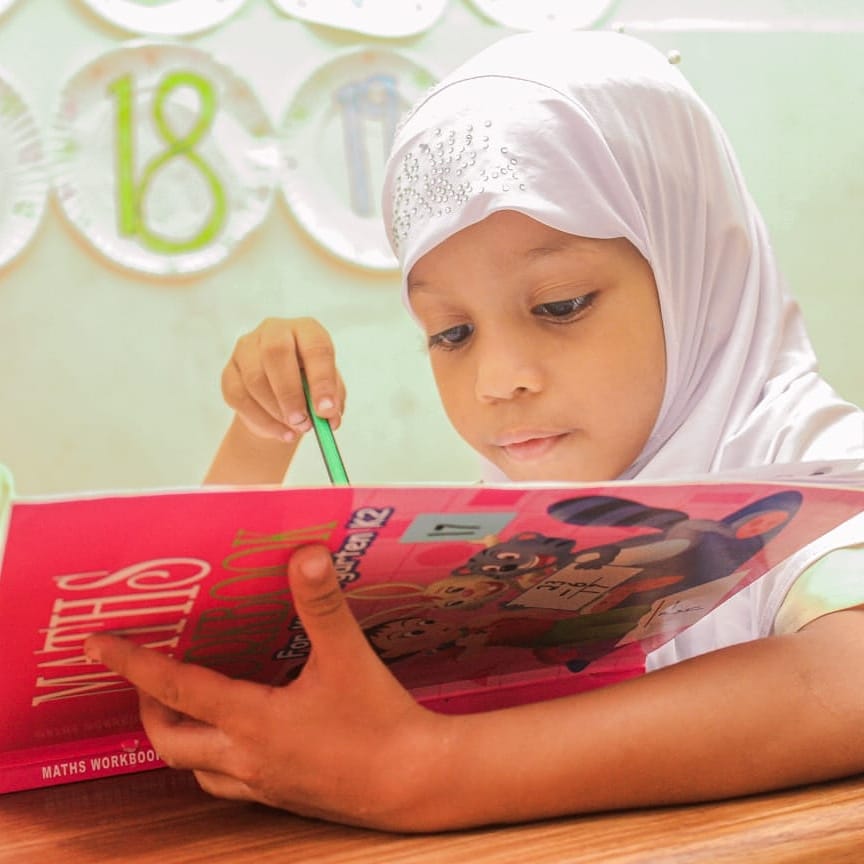
A Continuum of Learning
- Children naturally learn from each other; ‘family classes’ in EC allow children aged three to five years to learn and play together regardless of their age.
- Each child is unique and passes through similar developmental stages, but each at their own pace, in their own time.
- We use a continuum approach by gathering observations and documentation as evidence of learning and to plan next steps for each child.
- We document learning in a variety of ways to communicate and celebrate learning with the child, parents and the community.